Why the XRF Handheld Analyzer is a Non-Negotiable Tool for Modern Industry
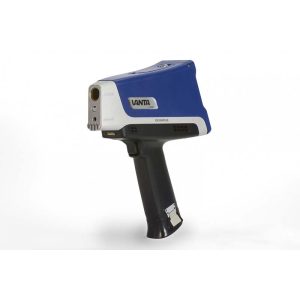
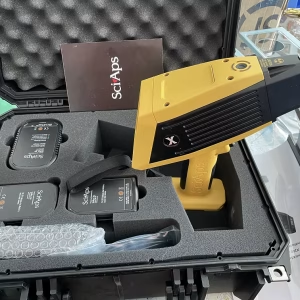
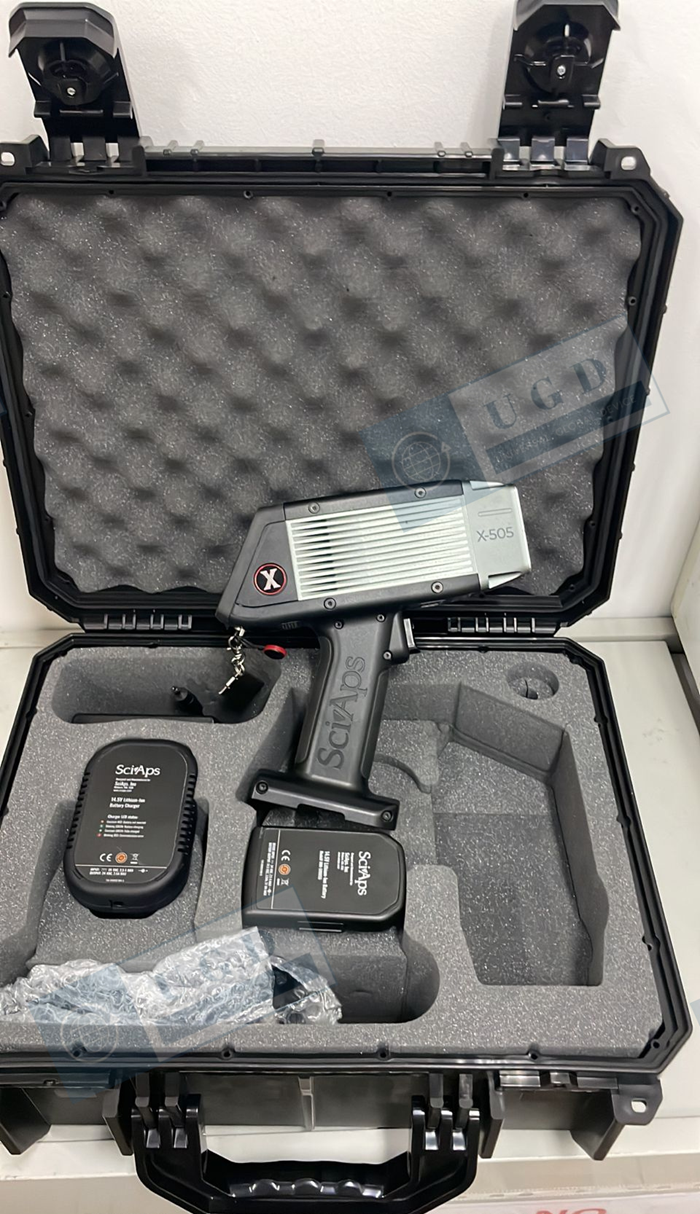
XRF Handheld Analyzer In the fast-paced worlds of mining, recycling, and manufacturing, waiting days for lab results is no longer an option. Enter the XRF Handheld Analyzer (X-ray Fluorescence). This portable powerhouse has revolutionized material verification by bringing lab-quality elemental analysis directly to the sample.
Here is why the XRF handheld analyzer has become the gold standard for on-site decision-making.
What is an XRF Handheld Analyzer?
An XRF handheld analyzer is a non-destructive testing device that uses X-ray technology to determine the elemental composition of a material. By firing X-rays into a sample and measuring the fluorescent radiation that bounces back, the device instantly identifies elements from Magnesium (Mg) to Uranium (U).
Unlike traditional acid digestion or laboratory sawing, XRF is non-destructive. You can test a valuable artifact, a finished weld, or a precious metal alloy without leaving a visible mark.
The Core Benefits Driving Adoption
1. Speed and Efficiency
Traditional lab testing can take 24 to 72 hours. An XRF handheld analyzer delivers results in 2 to 5 seconds. This speed allows geologists to map ore bodies in real-time and scrap dealers to sort tons of material per hour.
2. Cost Reduction
Sending every sample to a lab is expensive. By using handheld XRF for preliminary screening, companies only send anomalous or critical samples for confirmatory testing. This reduces lab fees by 60-80% and eliminates the cost of shipping heavy samples.
3. Positive Material Identification (PMI)
In critical infrastructure—such as oil refineries or chemical plants—using the wrong grade of stainless steel can lead to catastrophic failure. The XRF handheld analyzer ensures that the alloy you bought (e.g., 316 vs. 304 stainless) is the alloy you are welding.
Top High-Stakes Applications
-
Mining & Exploration: Define drill targets immediately. Analyze drill cores, soil, and outcrops on the spot to calculate grade control.
-
Recycling & Scrap Metal: Instantly sort light alloys, copper, brass, and precious metals. Maximize profit by preventing high-value metals from being lost in the wrong pile.
-
Regulatory Compliance (RoHS): Manufacturers use XRF to screen electronic components for restricted substances like Lead (Pb), Mercury (Hg), and Cadmium (Cd) before products hit the market.
-
Precious Metals Verification: Pawn shops and refineries use handheld XRF to test the karat of gold or the purity of silver instantly, detecting plated counterfeits.
Choosing the Right Model
When selecting an XRF handheld analyzer, look for three key features:
-
Detector Type: Silicon Drift Detectors (SDD) offer the fastest count rates and best sensitivity for light elements.
-
Ergonomics: A rotating touch screen and pistol-grip design reduce fatigue during 8-hour shift work.
-
Data Management: Wireless connectivity (Wi-Fi/Bluetooth) for instant report generation and cloud backup.
The Verdict
The XRF handheld analyzer has transformed from a luxury instrument to a safety and profitability necessity. Whether you are preventing a refinery shutdown, discovering a new gold vein, or stopping counterfeit coins at the door, this device puts the power of a physics laboratory into the palm of your hand.
Don’t guess the chemistry. Know the chemistry—instantly.